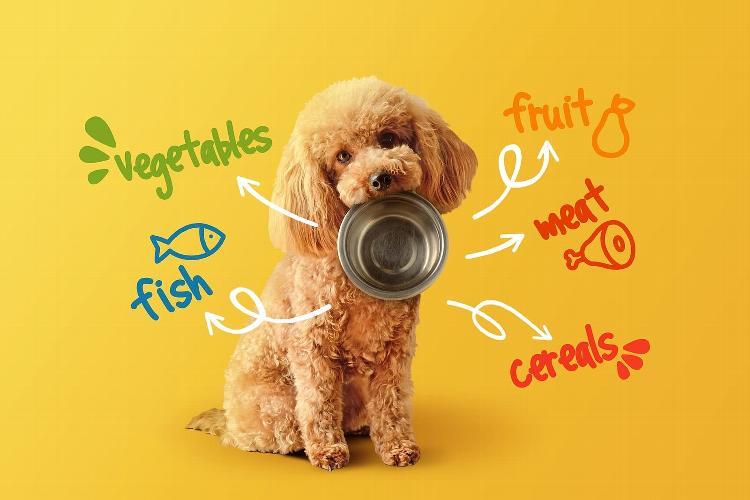
Protein isn't just another number on the back of a dog food bag. It's an essential part of your dog's nutrition.
At Bark & Bramble, we generally favour premium dog foods with good levels of high-quality, clearly identified protein.
Why? Because protein supplies essential amino acids needed for maintaining and repairing tissues, supporting muscle, skin and coat, and producing important enzymes, hormones and other compounds throughout the body.
For most healthy dogs, we don't believe protein is something owners should automatically be trying to minimise.
Why Is Protein So Important?
Dogs need dietary protein to supply amino acids that their bodies use every day.
Protein contributes to:
- Maintenance of lean muscle mass
- Growth and tissue repair
- Healthy skin and coat
- Normal immune function
- Production of enzymes and hormones
- Growth and development in puppies
And protein isn't only important for young, active dogs.
Maintaining lean body mass can become particularly important as dogs get older.
That's one reason we're cautious about the outdated assumption that an older dog automatically needs a low-protein diet simply because they're a senior.
Why We Tend to Favour Higher-Protein Foods
Provided a food is complete, appropriately formulated and suitable for the individual dog, we generally see good-quality protein as something valuable rather than something to fear.
For healthy adult dogs, there's no nutritional prize for feeding as little protein as possible.
FEDIAF nutritional guidelines establish minimum recommended protein levels, but at Bark & Bramble we don't believe our aim should simply be finding the lowest level required to meet a nutritional standard.
Meeting a minimum requirement and choosing a diet designed to support a dog thriving are not necessarily the same conversation.
This doesn't mean the food with the highest protein percentage automatically wins.
It means we generally favour diets providing meaningful amounts of good-quality protein from clearly identified sources, as part of an appropriately balanced complete diet.
Protein Quality Matters Too
Imagine two foods both displaying:
Crude protein: 30%
That doesn't necessarily mean they're nutritionally identical.
The crude protein figure tells you how much protein is present, but you should also look at the sources of that protein and the overall formulation.
At Bark & Bramble, we particularly like seeing clearly identified animal ingredients such as:
- Chicken
- Beef
- Salmon
- Pork
- Turkey
- Lamb
We also want manufacturers to be transparent about quantities.
High protein is much more meaningful to us when we can clearly see where that protein is coming from.
Do Active Dogs Need More Protein?
Protein becomes particularly relevant when we're thinking about maintaining and repairing lean tissue.
A young, active dog and an older, sedentary dog can have very different energy requirements, but both still require adequate protein.
For active dogs, the whole diet also needs to provide sufficient energy. Simply increasing protein while ignoring calories, fat, vitamins and minerals isn't good nutrition.
That's why we look at the whole nutritional profile, not protein in isolation.
And What About Senior Dogs?
One of the biggest misconceptions around protein is that dogs should automatically be moved onto a low-protein diet when they get older.
Age alone isn't a reason to severely restrict protein.
Older dogs can lose lean muscle mass as they age, making adequate high-quality dietary protein important.
However, senior dogs may also become less active and require fewer calories.
This is an important distinction:
Lower calorie doesn't necessarily have to mean low protein.
A well-formulated lighter food may provide controlled calories and fat while still supplying appropriate protein to help maintain lean body mass.
Are There Dogs That Need Lower-Protein or Specialist Diets?
Yes… and this is where individual health matters.
A smaller proportion of dogs with particular medical conditions may require their protein, fat, minerals, calories or other nutrients to be specifically controlled.
For example, dogs with certain stages or types of kidney disease, liver disease or other medical conditions may require a specially formulated therapeutic diet.
Likewise, dogs requiring weight management or those with conditions where dietary fat needs to be controlled may benefit from an appropriately formulated light or lower-fat food.
But these aren't reasons to assume that every healthy dog should be fed a low-protein diet.
They're reasons to feed the individual dog appropriately.
If your dog has a diagnosed medical condition, their nutritional requirements should be discussed with your vet rather than simply choosing a high or low-protein food based on the percentage on the packet.
Don't Confuse High Protein With High Calories
This is another important distinction.
High protein doesn't automatically mean high calorie.
Protein, fat and carbohydrates contribute differently to the overall energy density of a food, with fat providing considerably more energy per gram than protein or carbohydrate.
So if you're managing your dog's weight, don't simply search for the food with the lowest protein percentage.
Look at the calorie content, fat level, feeding amount and overall formulation.
For some dogs, maintaining good protein intake while controlling overall calories can be particularly useful when the goal is maintaining lean tissue while managing body weight.
Comparing Dry and Cupboard-Fresh Foods
Be careful when comparing protein percentages between foods with very different moisture contents.
A dry food might display:
Protein: 28%
while a moist cupboard-fresh food might display:
Protein: 12%
That doesn't automatically mean the dry food provides more protein nutritionally.
The cupboard-fresh food contains considerably more water.
To compare foods with very different moisture levels properly, protein can be considered on a dry-matter basis.
It's another example of why one number on a packet never tells the whole story.
What Bark & Bramble Looks For
At Bark & Bramble, we generally favour good levels of high-quality protein, but we're not interested in chasing a huge percentage purely for marketing purposes.
We ask:
- How much protein is there?
- Where is it coming from?
- Are the animal proteins clearly identified?
- Are the ingredient percentages transparent?
- Is the food complete?
- Is the overall nutritional profile balanced?
- Is it appropriate for the dog eating it?
For the majority of healthy dogs, we believe adequate, good-quality protein should be embraced rather than unnecessarily restricted.
But more isn't infinitely better, and there isn't one protein percentage that's perfect for every dog.
Our Approach Is Simple
We don't choose dog food because it meets the lowest possible nutritional threshold.
We look for foods that we believe provide dogs with quality nutrition to help them thrive.
For most healthy dogs, good-quality protein is an important part of that.
For the smaller group of dogs who genuinely require restricted protein, lower fat, controlled calories or therapeutic nutrition because of their health, the answer is different.
That's exactly why there shouldn't be one dog food for every dog.
Feed their life stage.
Feed their activity.
Feed their body condition.
Feed their health.
And when looking at protein, don't just ask “Is it high?”
Ask:
“Is it high-quality, clearly identified and appropriate for my dog?”
That's the standard we use when choosing foods for Bark & Bramble.
better nutrition + transparency + pets deserving better
This article provides general educational information and isn't a substitute for veterinary advice. Dogs with kidney, liver or other medical conditions may have specific nutritional requirements and should have their diet discussed with their veterinary professional.
